
7 Unique Tribal Communities of Keralam and Their Centuries-Old Traditions
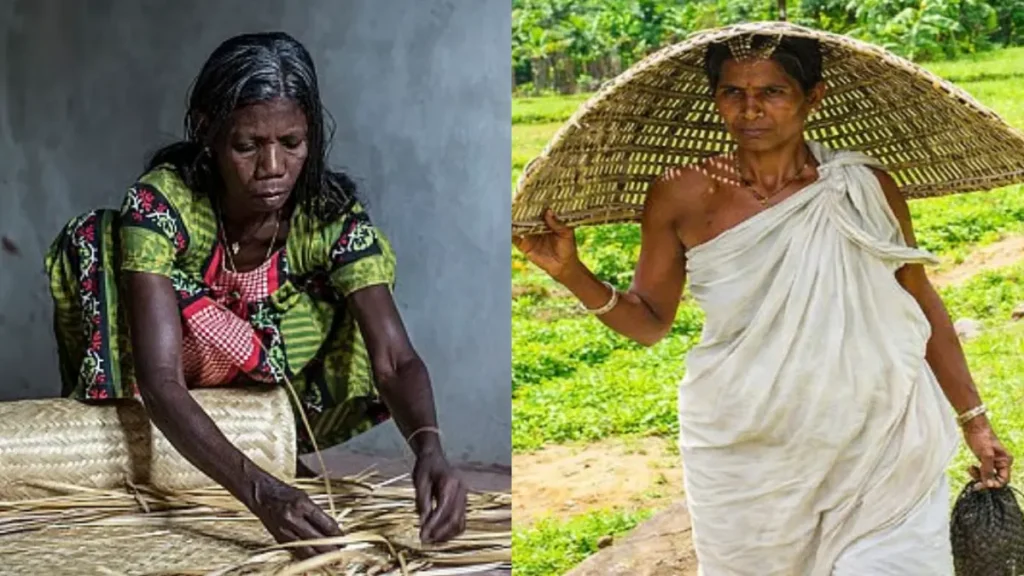
Thiruvananthapuram: Deep in the forests and mountains of the Western Ghats are communities whose lives have remained closely connected with nature for generations. For many of Keralam’s tribal communities, forests have traditionally been more than places to live. They have been sources of food, livelihood, medicine, culture and knowledge.
While some communities have developed unique agricultural practices over generations, others have depended on honey, medicinal plants and other forest products for their livelihoods. Some have traditionally followed matrilineal systems, while others have had their own village councils, chiefs and social institutions.
Their identity is not defined only by where they live. Their languages and dialects, folk songs, dances, religious traditions, agricultural practices, handicrafts and knowledge of the natural environment have helped preserve distinct cultural identities.
Keralam has 36 Scheduled Tribe communities. According to the 2011 Census, the state’s Scheduled Tribe population was around 4.85 lakh, accounting for nearly 1.5% of the total population. Wayanad, Idukki, Palakkad and Kasaragod are among the districts with significant tribal populations.
Among these communities, seven offer a glimpse into the diverse traditions, social systems and indigenous knowledge that form an important part of Keralam’s tribal heritage.
1. Paniyan: A Community Closely Linked to Agriculture
The Paniyan are among the larger tribal communities of Keralam. According to the 2011 Census, their population was 88,450.
Their traditional economy has been closely associated with agricultural labour. Both men and women have traditionally participated in activities such as sowing and harvesting paddy. Even today, agriculture and work related to cash crops remain important parts of the community’s livelihood.
The Paniyan also have a traditional social organisation. In their earlier social structure, regional leaders known as Koyma played an important role, while other traditional functionaries handled responsibilities at the settlement level.
The community has its own religious beliefs and traditions associated with local deities.
Language is another part of their distinct identity. The Paniyan dialect contains influences from Malayalam, Tamil and Tulu.
According to KIRTADS, the community’s literacy rate was 63.2% in the 2011 Census.
2. Kattunayakan: A Deep Connection With the Forest
Few communities illustrate the traditional relationship between people and forests as clearly as the Kattunayakan.
According to KIRTADS, the Kattunayakan are among Keralam’s Particularly Vulnerable Tribal Groups (PVTGs). Their population is concentrated mainly in Wayanad, with communities also living in parts of Malappuram and Palakkad.
The name Kattunayakan is commonly associated with meanings such as “forest leader” or “lord of the forest.” Their traditional way of life has been closely connected with forest resources.
Non-Timber Forest Products (NTFPs) have traditionally been an important source of livelihood. These include honey, medicinal plants and other products collected from forests.
The community has traditionally followed a patrilineal social system. Traditional art forms such as Koonattam and Thottiyattam are associated with the community.
These performances have traditionally been part of weddings, puberty ceremonies, religious rituals and occasions commemorating ancestors.
For the Kattunayakan, therefore, the forest is not simply a source of economic resources. It is also deeply connected with their cultural identity and traditional knowledge.
3. Irular: Agriculture and Traditional Knowledge of Attappady
The Attappady Valley in Palakkad is one of the major areas associated with the Irular community. They are mainly found in the Agali, Sholayar and Pudur areas.
Agriculture has traditionally been an important part of Irular life. The community is known for its traditional agricultural practices. Along with farming, livestock rearing and, historically, shifting cultivation have also been associated with their livelihood.
However, changes in land use and wider socio-economic conditions have pushed many members of the community towards wage labour. The Irular have also traditionally had a structured social system with people assigned different responsibilities.
The Ooru Moopan traditionally served as the head of a settlement. A person known as Mannukaran was associated with knowledge of soil and agriculture, while the Marunnukaran was traditionally associated with indigenous healing practices. One of the community’s traditional art forms is Kummiyattam, which is performed during different ceremonies, celebrations and important occasions.
The community also gained national attention when Nanjiyamma, who belongs to the Irular community, won the National Film Award for Best Female Playback Singer in 2022.
4. Kurichiyan: Matrilineal Traditions and a Legacy of Archery
The Kurichiyan community, which has a significant population in Wayanad, is known for its matrilineal social organisation, agricultural traditions and historical association with archery.
According to the 2011 Census, the Kurichiyan population in Keralam was 35,171.
Traditional Kurichiyan joint families were known as Mittom. The community also had different clans and subdivisions.
One of the most distinctive features of their traditional social structure was its matrilineal nature, in which lineage and family relationships were traditionally traced through the female side.
The Kurichiyans are also historically associated with archery.
Their participation in Pazhassi Raja’s rebellion against British rule is an important part of their history. KIRTADS also associates Thalakkal Chanthu with the Kurichiyan community. He fought alongside Pazhassi Raja against the British.
Agriculture remains an important part of the community’s economy. Traditional cultural forms such as Pulippattu also continue to contribute to its cultural identity.
5. Muthuvan: From Carrying Loads on the Back to Mountain Farming
The Muthuvan community, mainly found in Idukki and Ernakulam districts, has a distinctive history and traditional lifestyle.
The name “Muthuvan” is associated with a Malayalam expression referring to people who carry loads on their backs. It is traditionally linked to the community’s migration history, when children and belongings were carried on their backs during movement from one place to another.
The Muthuvan community is divided into six matrilineal kootams.
Traditionally, crops such as millets were important to their agricultural system. Today, cash crops including cardamom, black pepper, arecanut and lemongrass are also cultivated.
One of the notable aspects of Muthuvan traditional knowledge is its understanding of water and soil management.
Terrace farming in Muthuvan settlements in Idukki is one example of this traditional agricultural knowledge.
Their settlement patterns are also distinctive. Traditionally, houses have often been constructed in rows facing each other, reflecting the community’s unique approach to settlement organisation.
6. Kadar: Traditional Knowledge of Forest Resources
The Kadar are among the tribal communities of Keralam classified as a Particularly Vulnerable Tribal Group.
They are mainly found in forest regions of Palakkad and Thrissur.
Their traditional economy has depended significantly on Non-Timber Forest Products (NTFPs). Collecting honey, medicinal plants and other forest products has been part of their livelihood for generations.
According to the 2011 Census, the Kadar population was 2,949.
The community has its own traditional social and cultural identity. Food, forest resources and traditional ways of living have historically been closely connected to their social life.
Their knowledge of the forest has also been important for understanding and using naturally available resources.
The Kadar’s traditional relationship with forests demonstrates how indigenous communities have developed detailed knowledge of their surrounding ecosystems over generations.
7. Kanikkaran: Traditional Medicine and the Legacy of Chattupattu
The Kanikkaran community, found mainly in southern Keralam, is known for its traditional social organisation, language and indigenous knowledge of medicine.
Major settlements are found in areas such as Ponmudi, Vithura, Kallar, Nedumangad, Aryanad and Aruvikkara in Thiruvananthapuram district, as well as parts of Kollam.
Traditional settlements among the Kanikkaran are known as Kanikkudi or Kanipattu. Their traditional social organisation included positions such as Muttukani. The Plathi was traditionally associated with indigenous healing practices, ritual knowledge and medicinal traditions.
One of the community’s most distinctive cultural traditions is Chattupattu. It has been passed down through generations as an oral tradition and has traditionally been performed during religious, healing and community occasions.
The Kanikkaran are also known for their traditional knowledge of medicine. Lakshmikutty Vaidya, a traditional healer from the Kallar region who belongs to the community, was awarded the Padma Shri in 2018 for her contribution to traditional medicine.
According to the 2011 Census, the Kanikkaran population was 21,251.