
7 Famous Temples of Keralam Where Faith Meets Centuries-Old Traditions and Unique Culture
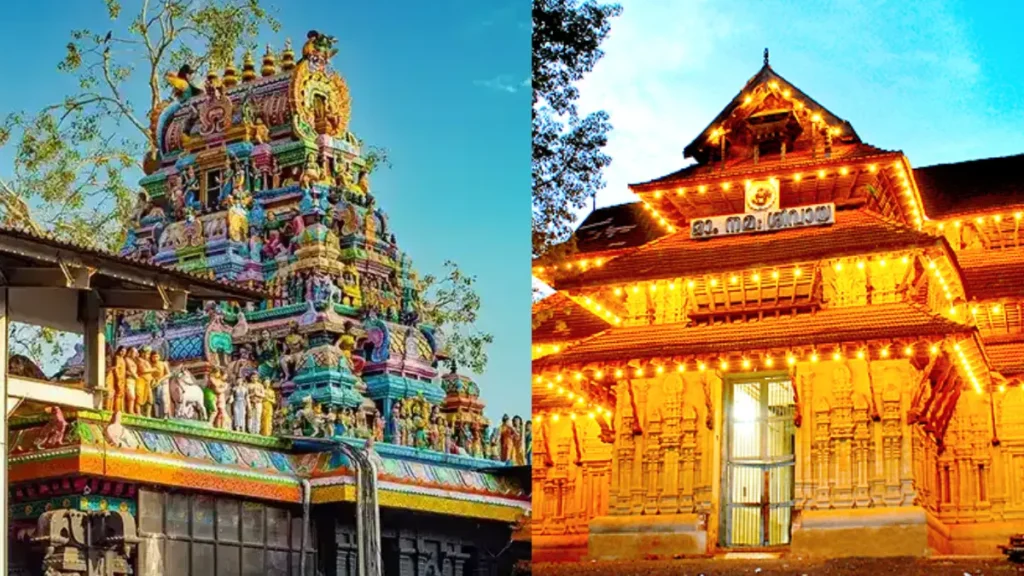
Thiruvananthapuram: Keralam is often known for its greenery, backwaters, beaches and natural beauty, but the state’s identity is not limited to its tourist destinations. Its temples are also an important part of its cultural and religious heritage. What makes the temples of Keralam special is that along with their rituals and worship practices, they are also connected with local architecture, folk traditions, festivals and centuries-old beliefs.
Different parts of the state are home to several famous temples dedicated to Lord Vishnu, Krishna, Shiva, Ayyappa, Bhagavathy and Nagaraja. While some temples are known for their large pilgrimages, others are special because of their unique rituals, architecture or historical significance.
1. Sree Padmanabhaswamy Temple, Thiruvananthapuram
Located in the East Fort area of Thiruvananthapuram, the capital of Keralam, Sree Padmanabhaswamy Temple is among the state’s most famous religious sites. The presiding deity of the temple is Lord Vishnu, who is depicted reclining on the serpent Anantha. The massive idol of the deity can be viewed through three different doors. The temple is also considered one of the 108 Divya Desams dedicated to Lord Vishnu.
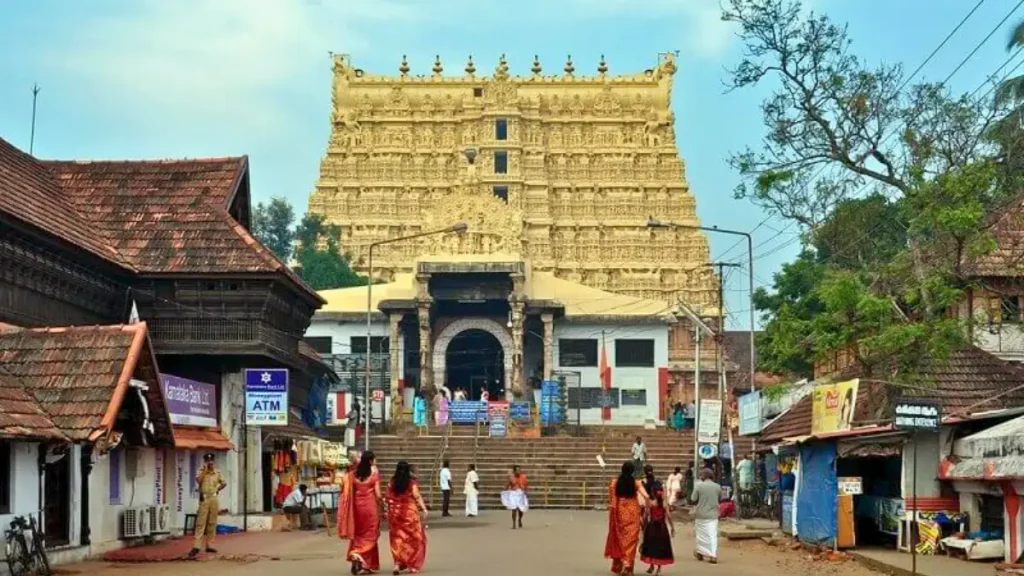
The architecture of the temple reflects a blend of Keralam and Dravidian styles. Stone carvings, sculptures and murals make its architecture distinctive. The present form of the temple is associated with major renovations carried out during the reign of Travancore ruler Marthanda Varma. The kings of Travancore considered themselves servants of Lord Padmanabha and developed a tradition of dedicating the state’s wealth to the deity.
The temple is counted among the richest temples in the world. Its global prominence increased further after the wealth stored in its underground vaults came to light in 2011. It included gold ornaments, coins, precious stones and religious objects.
Visitors are required to follow a traditional dress code to enter the temple. Men are required to wear a mundu or dhoti, while women are expected to wear a sari, set-mundu or other prescribed traditional attire. Only Hindu devotees are allowed to enter the temple.
2. Guruvayur Sree Krishna Temple, Thrissur
Guruvayur Sree Krishna Temple is one of the major Krishna pilgrimage centres in South India. It is often referred to as the ‘Dwarka of the South’. The main deity of the temple is Guruvayurappan, or Lord Krishna. Here, the deity is worshipped in the form of child Krishna.
The present structure of the temple is a fine example of traditional Keralam architecture. The nalambalam, deepastambham, wooden carvings and ancient murals on the walls of the sanctum make the temple distinctive. According to Kerala Tourism, the reconstruction of the central temple is associated with the 17th century.
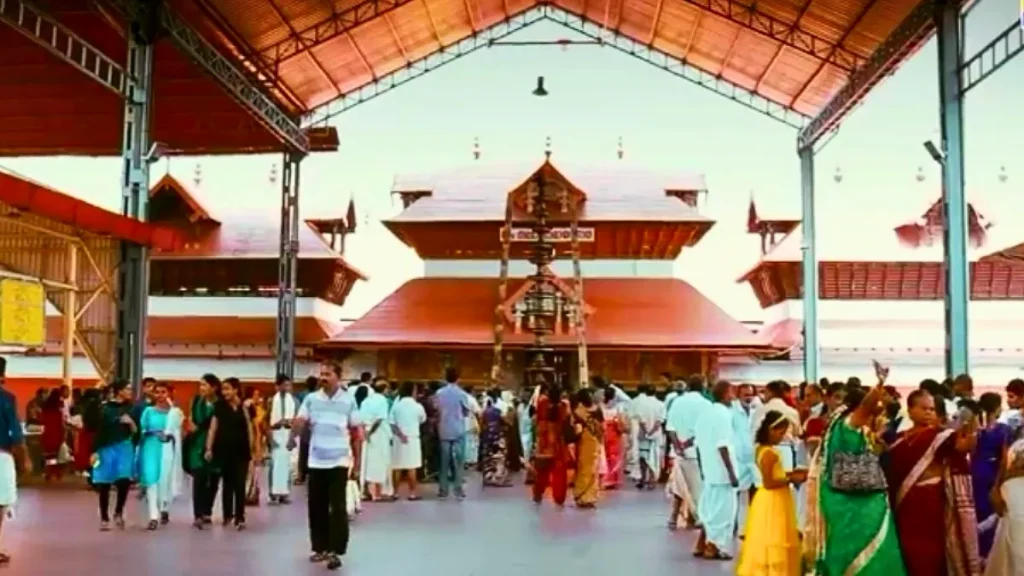
The worship rituals at Guruvayur are extensive. From the early morning Nirmalya Darshan to the night rituals, different ceremonies are performed throughout the day. Thulabharam is also quite famous here, in which devotees offer fruits, sugar, jaggery or other materials equivalent to their body weight to the deity.
The temple’s annual festival, Guruvayur Ekadasi, Ashtami Rohini and Chembai Music Festival are also part of its religious and cultural identity. The Aanayottam, or elephant race, associated with the temple is also famous.
3. Sabarimala Sree Ayyappa Temple, Pathanamthitta
At the hills and dense forests of the Western Ghats, Sabarimala Sree Dharmasastha Temple is dedicated to Lord Ayyappa. It is situated in Pathanamthitta district at an altitude of around 3,000 feet above sea level and is considered one of the most important pilgrimage centres in Keralam.
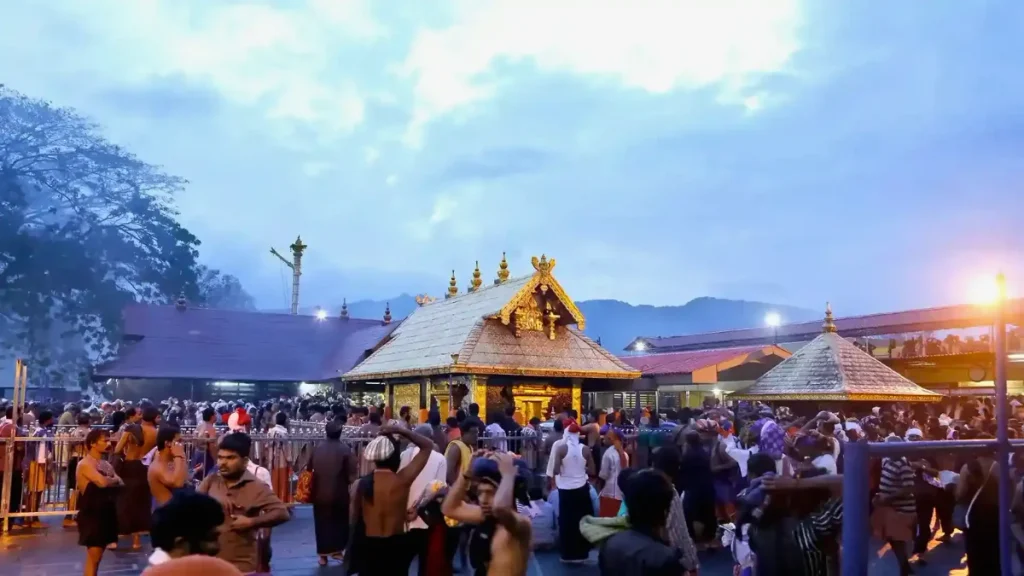
The biggest feature of Sabarimala is its pilgrimage tradition. Devotees generally observe a 41-day fast before undertaking the temple journey. During this period, there is a tradition of following a simple and disciplined lifestyle, staying away from intoxicants and observing celibacy. The observance is considered to begin with the wearing of the sacred mala.
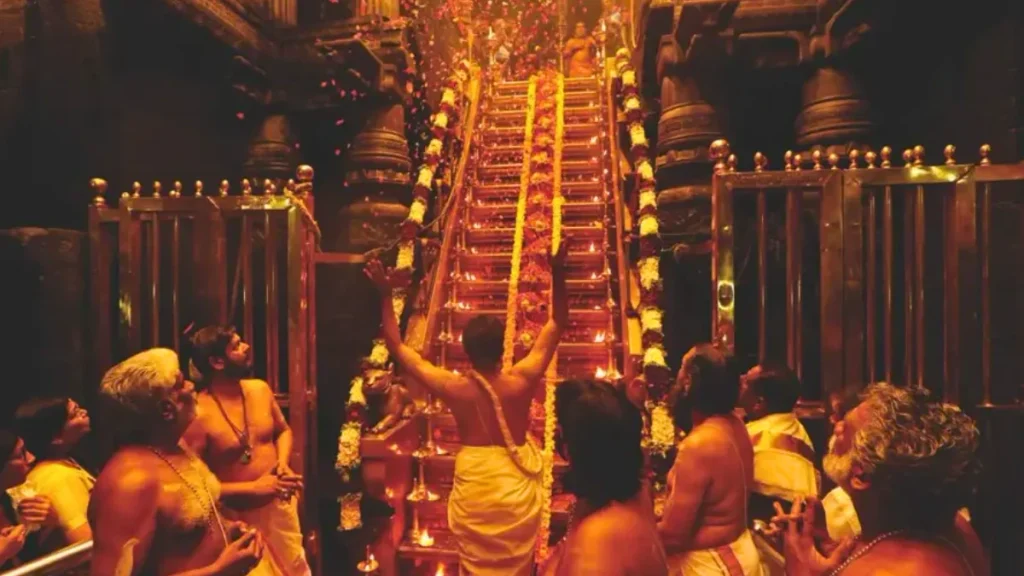
The Pampa River and routes passing through the forests are important parts of the temple journey. The traditional route through Erumeli is considered one of the most difficult routes. Devotees finally reach the Sannidhanam by climbing the sacred 18 steps, known as Pathinettam Padi.
Another important feature of Sabarimala is that the temple does not remain open throughout the year under normal circumstances. Darshan is arranged on special occasions such as Mandala Puja, Makaravilakku, Vishu and the first day of every Malayalam month. The site associated with Vavar Swami within the temple complex is also considered an example of the tradition of religious harmony.
4. Sree Vadakkunnathan Temple, Thrissur
Located in the centre of Thrissur city, Sree Vadakkunnathan Temple is an ancient temple dedicated to Lord Shiva. It is considered an important example of traditional Keralam architecture. Murals, wooden carvings and traditional structures within the temple complex are among its distinctive features.
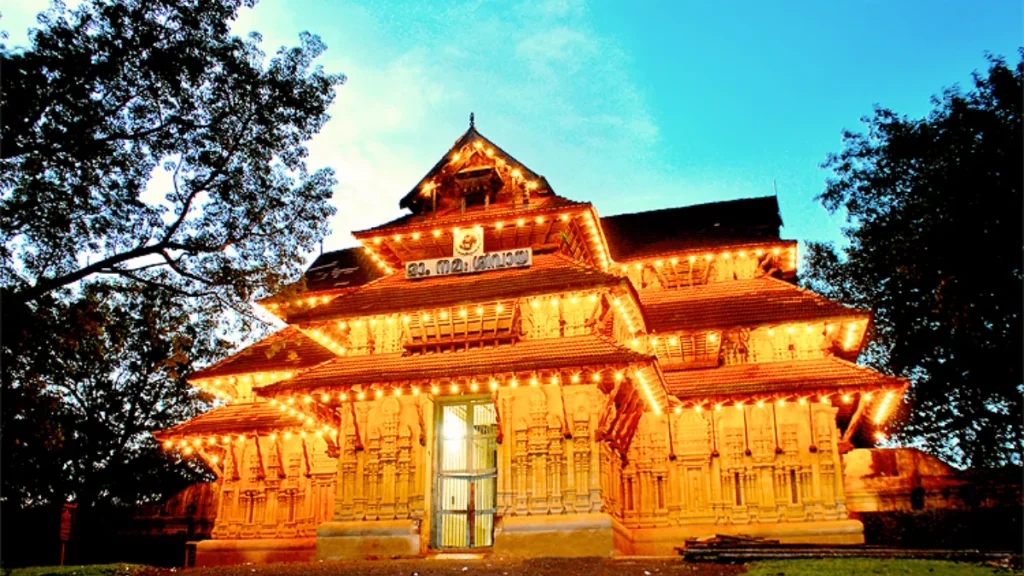
At the centre of the temple complex is the nalambalam along with major sanctums dedicated to different deities. Along with Lord Shiva, the complex also has prominent shrines dedicated to Shankaranarayana, or Harihara, and Lord Rama. The Koothambalam within the complex is known for its architecture and wooden carvings.
The significance of this temple is not only religious. The Thekkinkadu Maidan surrounding the temple is the main centre of the famous Thrissur Pooram. Held every year during the Malayalam month of Medam, Thrissur Pooram is among the most famous temple festivals of Keralam. The event attracts people from India and abroad because of its decorated elephants, traditional instrumental music and fireworks.
The origin of the name Thrissur is also associated with ‘Thrishivaperur’, which is believed to have a connection with Lord Shiva. In this way, Vadakkunnathan Temple is deeply connected with the religious and historical identity of the city.
5. Chottanikkara Bhagavathy Temple, Ernakulam
Chottanikkara Bhagavathy Temple, located in Ernakulam district is among the most famous Devi temples in Keralam. The goddess is worshipped here in the form of Rajarajeshwari, and different forms of the deity are worshipped at different times of the day. In the morning, the goddess is worshipped as Saraswati, in the afternoon as Lakshmi and in the evening as Durga.
One of the temple’s distinctive features is its worship associated with Keezhkavu Bhagavathy. The fierce form of the goddess is worshipped here, and Guruthi Puja is performed in the evening. A belief is also prevalent among devotees that the goddess provides relief from mental and physical problems.
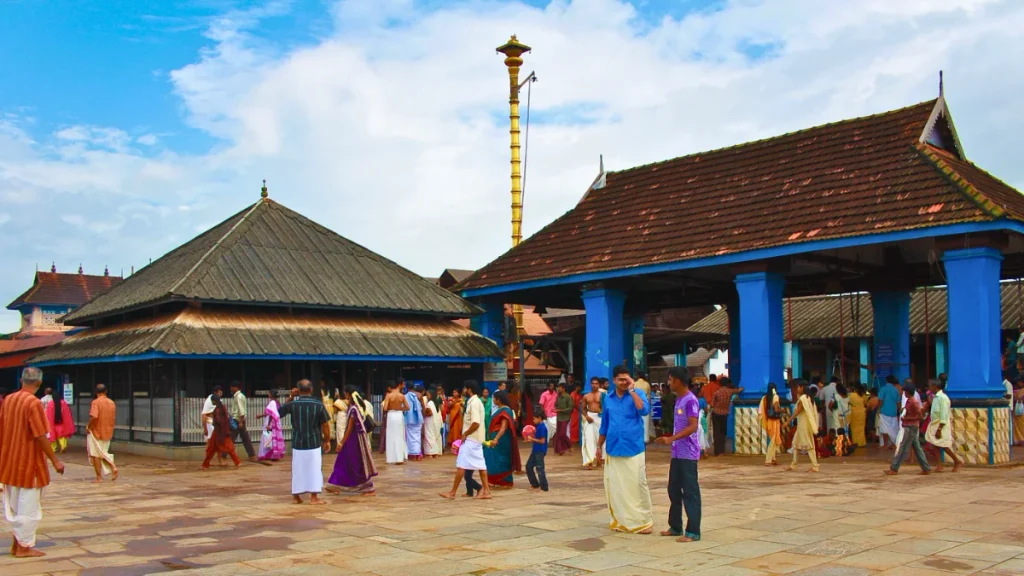
The architecture of the temple reflects the traditional Keralam style. Wooden carvings, murals and sloping roofs are among its distinctive features. The temple’s major annual festival is Makom Thozhal, which is held on the day of the Makam star during the Malayalam month of Kumbham. A large number of devotees visit the temple on this occasion.
6. Attukal Bhagavathy Temple, Thiruvananthapuram
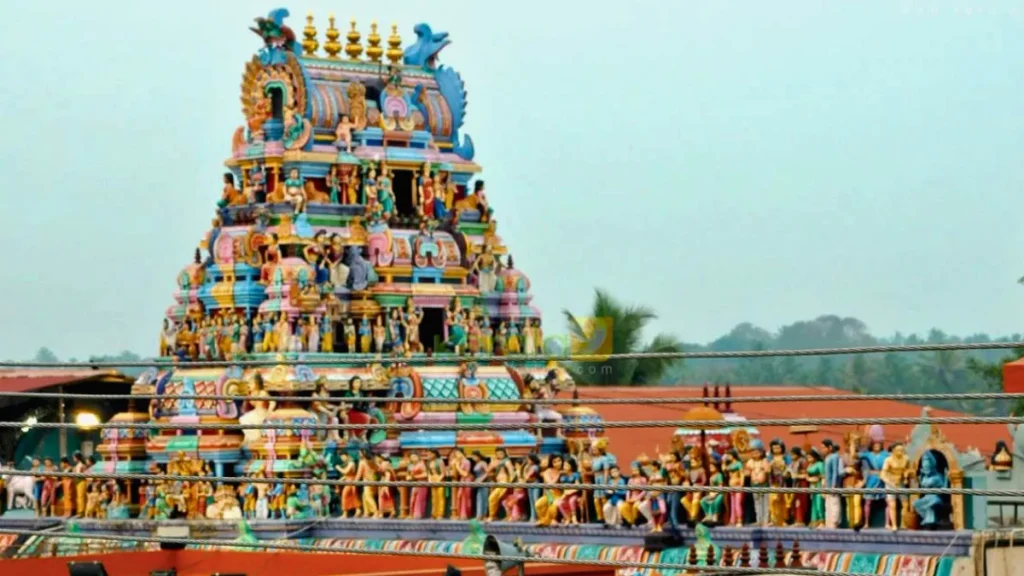
Located in the Attukal area of Thiruvananthapuram, Attukal Bhagavathy Temple is particularly known for one of the largest religious events associated with women’s participation. The main goddess here is associated with Bhagavathy, Bhadrakali and Kannaki. The temple’s architecture reflects a blend of Keralam and Tamil styles.
The biggest attraction of the temple is Attukal Pongala. During the Malayalam month of Kumbham, which falls around February-March, a large number of women prepare Pongala in earthen pots using rice, jaggery, coconut and other ingredients and offer it to the goddess. The ritual is mainly performed by women.
Attukal Pongala has gained international recognition and is listed in the Guinness World Records as one of the largest religious gatherings of women. During the festival, a large part of Thiruvananthapuram city becomes filled with devotees, and hearths are built along the roads for the ritual over a wide area.
The temple complex also has places of worship associated with Lord Shiva, Ganesha and serpent deities, along with different forms of the goddess. Because of this, Attukal has become not just a temple but also an important centre of the religious and cultural identity of Thiruvananthapuram.
7. Mannarasala Sree Nagaraja Temple, Alappuzha
Located near Haripad in Alappuzha district, Mannarasala Sree Nagaraja Temple is completely different from the other six temples. The temple is famous for the worship of serpent deities, and its surroundings resemble a peaceful serpent grove, or Nagavanam, rather than an ordinary temple complex. More than 30,000 serpent figures can be found along the pathways and among the trees around the temple.
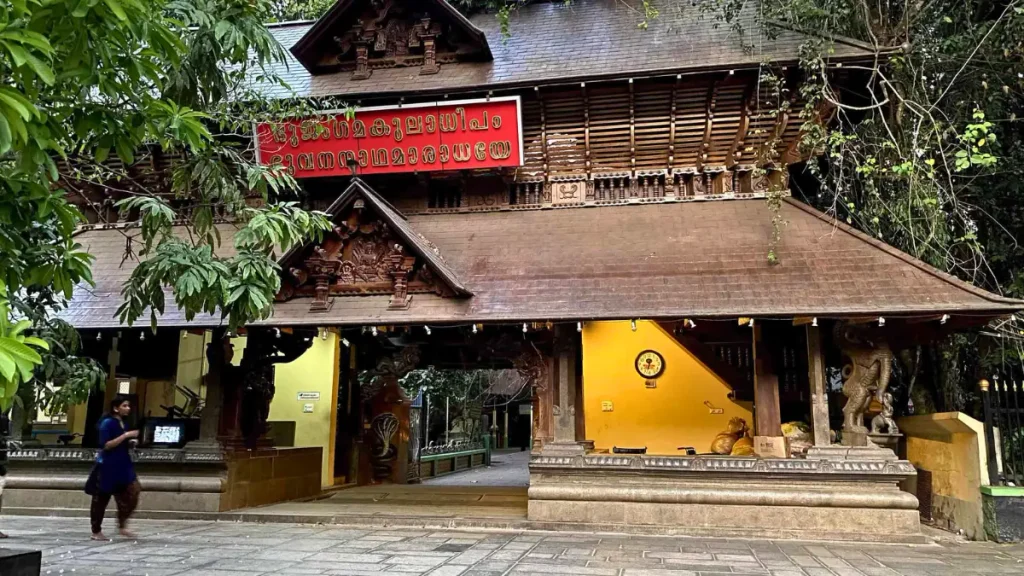
The main deity of the temple is Nagaraja. One of its most unique traditions is the presence of a female priest. The Mannarasala temple is managed by a traditional Brahmin family, and the role of ‘Mannarasala Amma’ is considered particularly important. The folklore associated with the temple includes stories about Lord Parashurama, Nagaraja and the origin of the temple. There is also a belief among devotees that worshipping here can fulfil wishes such as the desire to have children.
The most important festival at Mannarasala is Ayilyam. Held during the Malayalam month of Thulam, the festival features a procession of serpent idols. The idols are taken from the temple to the illam, or traditional home, associated with the temple’s family, where special prayers and rituals are performed.