
Padma Shri Awardee Cheruvayal Raman, Guardian of Traditional Paddy Seeds, Dies at 74
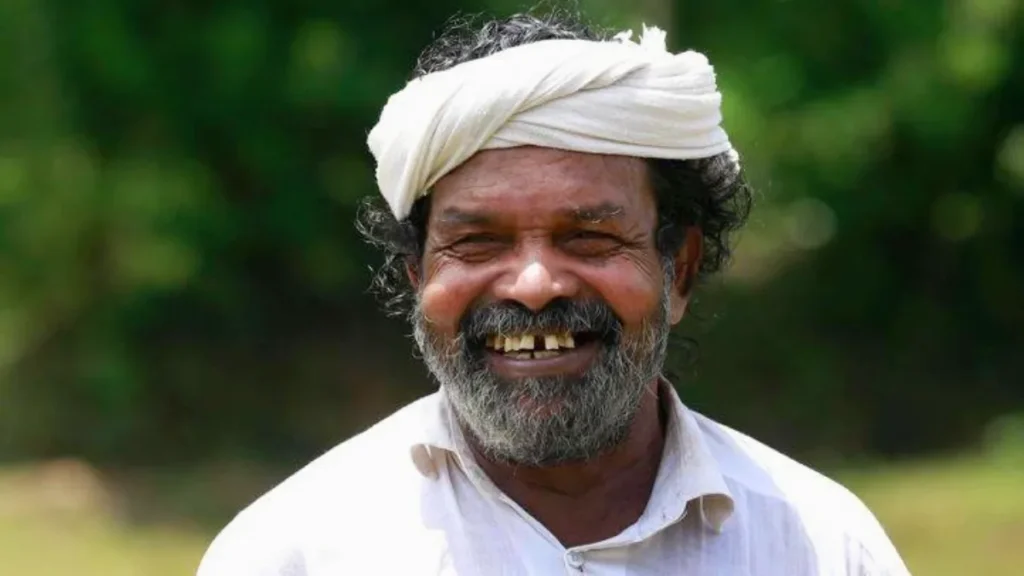
Cheruvayal Raman’s seed collection represented more than a record of traditional rice varieties. By growing and renewing indigenous paddy seeds season after season, he helped maintain agricultural diversity and preserve farming knowledge passed down through generations.
Wayanad: Cheruvayal K. Raman, the Padma Shri award-winning farmer widely recognised for preserving traditional paddy seeds, passed away on Wednesday, October 14, at the age of 74.
The farmer from Kammana in Wayanad, Keralam, was undergoing treatment at Kozhikode Medical College Hospital. His death marks the loss of one of the region’s most dedicated custodians of agricultural biodiversity.
Popularly known as ‘Nellachan’, or the father of paddy, Raman devoted decades to protecting indigenous rice varieties that were gradually disappearing as traditional cultivation gave way to commercial crops and modern farming practices. His work extended beyond seed preservation. He maintained traditional farming knowledge, encouraged organic cultivation and shared seeds with other farmers, helping keep an important part of Wayanad’s agricultural heritage alive.
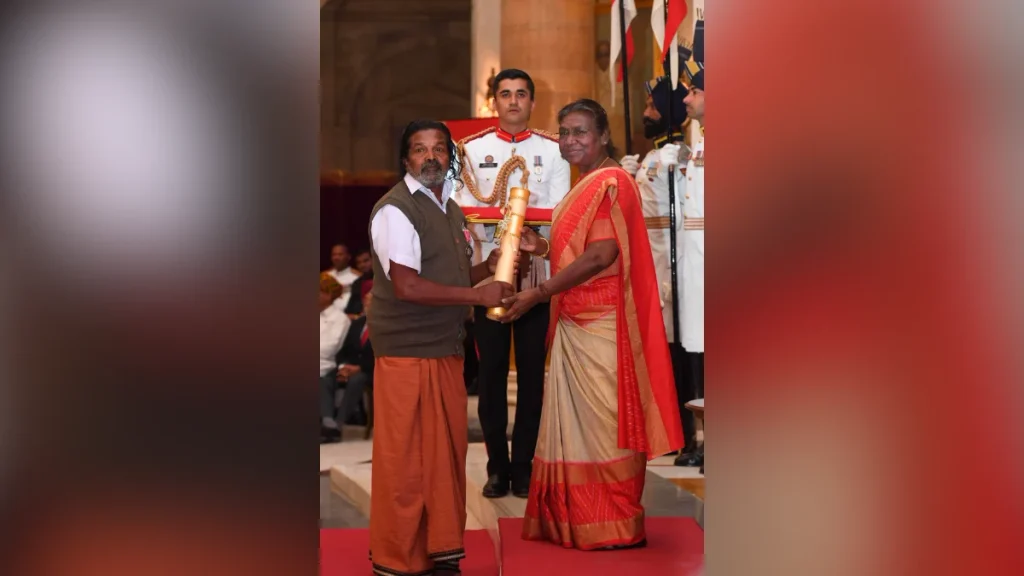
His contribution received national recognition when he was awarded the Padma Shri in 2023 for his work in agriculture and biodiversity conservation. He was also honoured with the Plant Genome Saviour Award and the Kerala government’s first Oommen Chandy memorial award for outstanding contributions to the agricultural sector.
A Lifelong Commitment to Preserving Native Rice
Born on June 6, 1952, in the Mananthavady area of Wayanad, Raman belonged to the Kurichya tribal community, which has a longstanding association with paddy cultivation. His connection with farming began at an early age, and he developed extensive agricultural knowledge through practical experience and the traditions passed down through his community.
According to reports, Raman assumed responsibility for his family’s agricultural land and traditional seeds at the age of 17 following the death of his maternal uncle. What began as an inherited responsibility gradually became his life’s mission.
Without formal training in agricultural science or botany, he relied on generations of farming knowledge and his own observations of crops, soil and seasonal conditions.
Over the years, he preserved more than 50 traditional rice varieties associated with Wayanad, alongside additional varieties collected from other parts of Keralam.
His collection included varieties such as Chennelu, Thondi, Chembakam, Veliyan, Gandhakasala and Kayama. Each represented a distinct part of the region’s agricultural history, reflecting local growing conditions, food traditions and farming practices.
Also Read :- Keralam Begins India’s First Statewide Ecosystem Red List Assessment Covering All 14 Districts
Farm Became a Living Repository of Seeds
Raman’s ancestral property in Kammana became a living repository of indigenous rice varieties. Rather than simply storing seeds, he cultivated different varieties season after season, harvested the grain and preserved seeds for future planting.
This approach was particularly important because traditional seeds need to be grown and renewed to remain viable for continued cultivation. By maintaining the varieties on his farm, Raman helped safeguard agricultural diversity that could otherwise have been lost as farmers moved away from traditional paddy cultivation.
He also distributed seeds to farmers, including members of tribal communities, without charging them. His efforts enabled others to grow indigenous varieties and helped carry traditional agricultural practices beyond his own fields.
Why Traditional Rice Varieties Matter?
Wayanad has experienced significant changes in its agricultural landscape over the decades. Traditional paddy fields have declined as farmers have increasingly turned to crops such as coffee, pepper and ginger, while development and changing economic conditions have also altered land use.
The shift has created concerns about the loss of indigenous rice varieties and the knowledge associated with their cultivation. When a traditional crop disappears from farming, its genetic characteristics and the experience accumulated by generations of cultivators may also be lost.
Indigenous rice varieties can carry useful traits suited to particular environmental conditions. Depending on the variety, these may include tolerance to certain pests, adaptation to local soils or the ability to withstand specific water and weather conditions.
Raman’s efforts demonstrated how individual farmers and local communities can contribute to agricultural biodiversity conservation through sustained cultivation and seed sharing.
Recognition Beyond Wayanad
Raman’s contribution attracted the attention of agricultural researchers, students and conservationists from different parts of India and abroad. His farm became a place where visitors could learn about traditional paddy varieties and indigenous farming methods.
He also participated in agricultural and biodiversity-related gatherings in India and other countries, sharing his experience with a wider audience. Reports have noted his participation in international agricultural meetings, including a world agricultural seminar in Brazil.
These honours recognised a form of conservation built not primarily around laboratories or large institutions, but around the sustained work of a farmer who continued cultivating traditional seeds despite the economic pressures facing paddy farming.
The most meaningful tribute to Raman’s work will be ensuring that these traditional rice varieties continue to be cultivated, studied and passed on to future generations.