
Kasaragod Court Clears 21 BJP-RSS Workers in 2014 SDPI Activist Killing
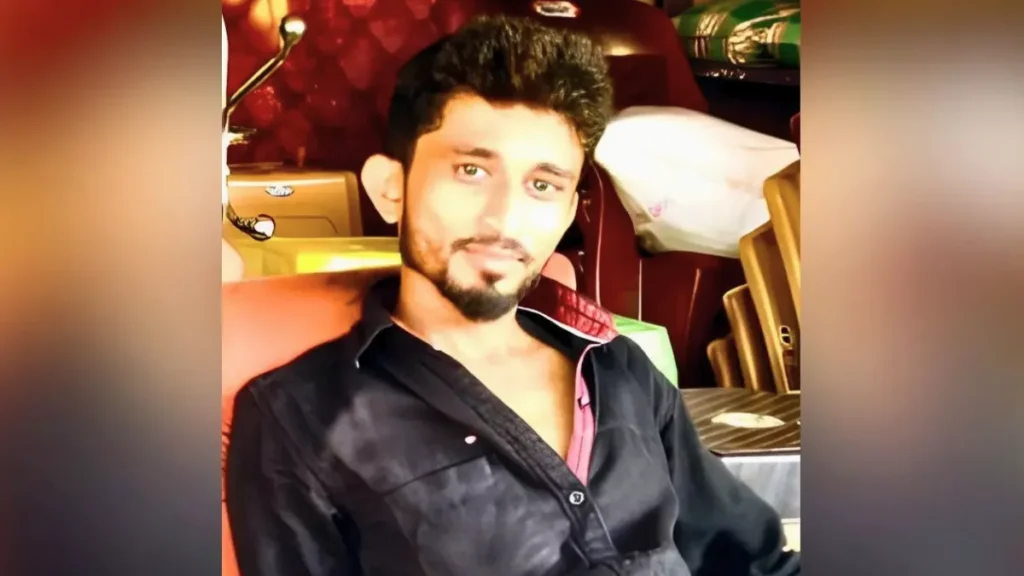
Zainul Abid, a 24-year-old SDPI activist, was assaulted with sharp-edged weapons near the old bus stand on MG Road in Kasaragod on December 22, 2014. He succumbed to his injuries on December 23.
Kasaragod: A court in Kasaragod, Keralam, acquitted 21 BJP-RSS workers on Saturday, October 17, in connection with the 2014 killing of Social Democratic Party of India (SDPI) activist Zainul Abid. The court ruled that the prosecution had not presented sufficient evidence to establish the charges against the accused. The judgment was delivered almost 12 years after the fatal attack outside the victim’s family-run shop.
Additional District and Sessions Judge Achindya Raj Unni delivered the verdict. The list of those cleared by the court also included local BJP leaders Mahesh K, Udayan, Prasanth, Prathap and Hareesh B.
Media reports identified the death of Abid’s father, considered a key eyewitness, as a significant setback for the prosecution. The case also lacked sufficient evidence to conclusively establish the accused persons’ involvement. Abid’s family has criticised the court’s ruling, expressing dissatisfaction with the outcome and stating that it may seek to challenge the verdict through an appeal.
The 2014 Attack on Zainul Abid
The fatal assault took place on the night of December 22, 2014, near the old bus stand on MG Road in Kasaragod. Abid was helping his father, K A Muhammad Kunhi, close their mattress and furniture shop when a group of attackers allegedly entered the premises and assaulted him with sharp-edged weapons.
The attackers allegedly escaped from the spot immediately after carrying out the assault. People in the surrounding area rushed to help after hearing Abid’s cries. He was first admitted to a private hospital in Kasaragod and later moved to Mangaluru when his health took a turn for the worse. He succumbed to his injuries on December 23, 2014.
Police registered a murder case and arrested 21 BJP-RSS workers in connection with the killing.
According to the prosecution, the murder was allegedly motivated by revenge over an earlier attack on RSS worker Jyothish Kumar. Abid had also been accused in the case concerning that incident. Investigators alleged that individuals associated with Jyothish targeted Abid in retaliation. However, these allegations were not proven against the accused during the trial.
Reasons Behind the Acquittal
The court acquitted the accused after concluding that the prosecution had failed to establish their guilt through sufficient evidence. During the proceedings, the court heard testimony from 81 witnesses and examined 150 documents and 20 material exhibits.
The prosecution also faced difficulties because Abid’s father, identified as the principal eyewitness to the attack, died in a road accident in 2024 before the trial concluded. Although his statement had been recorded during the investigation, his death prevented him from appearing as a witness and being examined and cross-examined during the trial.
Reports further indicated that the identification parade conducted as part of the investigation did not provide sufficient evidence to establish the accused persons’ involvement. The prosecution’s inability to substantiate its allegations through adequate scientific and other legally admissible evidence also weakened the case.
Also Read :- Kerala Excise Cases Decline After Anti-Narcotics Squad Merges with State Bureau
Investigation and Family’s Reaction
The investigation involved Deputy Superintendent of Police T P Ranjith, Circle Inspector P K Sudhakaran and Sub-Inspector M Rajesh. The team worked under the supervision of Thompson Jose, who was the Kasaragod district police chief at the time. Sudhakaran later filed the chargesheet in the case.
After the judgment, members of Abid’s family voiced their disappointment and indicated that they intended to appeal against the acquittal. They also raised concerns about possible lapses in the investigation.
The case illustrates the challenges prosecutors can face when a crucial witness dies before providing testimony in court. While statements collected during an investigation can help establish the sequence of events, the prosecution must still present legally admissible evidence that proves the accused person’s guilt beyond reasonable doubt.
Political Tensions in Kasaragod
The murder occurred against a backdrop of political rivalry in Kasaragod, a district in northern Keralam that has experienced several politically linked killings. The case involved allegations of retaliatory violence between individuals associated with rival political organisations.
The prosecution alleged that the accused had participated in the attack or were involved in the conspiracy behind it. The defence, meanwhile, maintained that the accused had been implicated due to political rivalry.
The court’s decision brings the trial to a close at the current stage, nearly 12 years after the killing. The victim’s family has indicated that it may pursue further legal action to challenge the judgment.