
Keralam Begins India’s First Statewide Ecosystem Red List Assessment Covering All 14 Districts
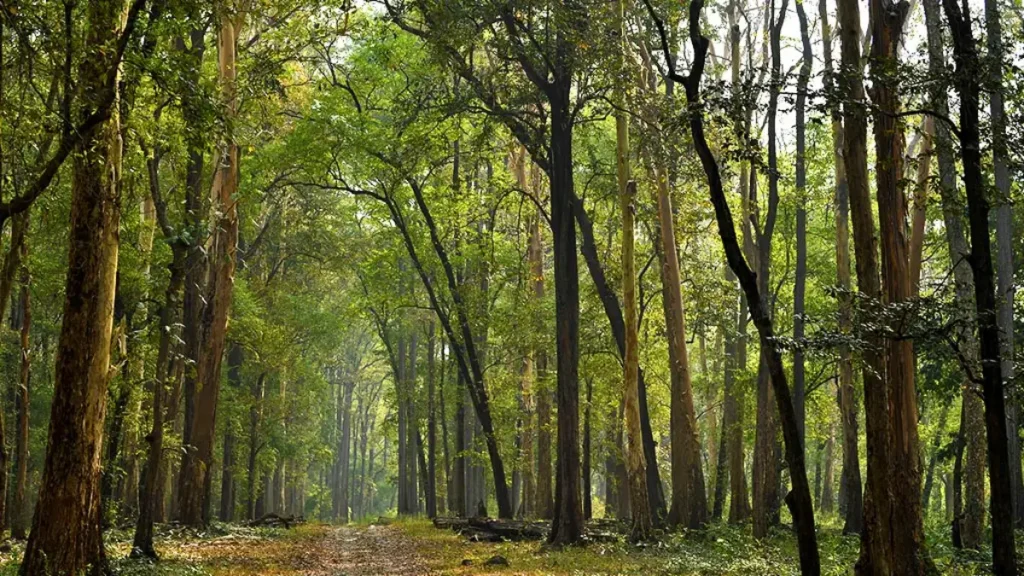
Southern Western Ghats tropical riparian evergreen forests have reportedly lost approximately 83% of their extent over the past century and have been classified as Critically Endangered under ecosystem assessment criteria.
Thiruvananthapuram: From the forests of the Western Ghats to rivers, wetlands and coastal habitats, Keralam is taking a major step towards identifying ecosystems facing the threat of ecological decline. The Kerala State Biodiversity Board (KSBB) has launched India’s first statewide Ecosystem Red List Assessment to evaluate the condition of natural habitats and determine their vulnerability to ecological collapse.
The initiative will cover all 14 districts of the state. It aims to build a scientific understanding of ecosystem degradation, identify the pressures threatening biodiversity and help authorities prioritise conservation and restoration efforts. The findings are expected to support more informed environmental planning and strengthen the protection of Keralam’s diverse natural landscapes.
What is the Ecosystem Red List Assessment?
The Red List of Ecosystems (RLE) is a scientific framework developed by the International Union for Conservation of Nature (IUCN) to measure the risk of ecosystems collapsing. While species assessments focus on the possibility of individual plants or animals becoming extinct, the ecosystem framework examines the condition of entire natural systems and evaluates the threats to their continued survival.
An ecosystem comprises living organisms, their physical environment and the relationships that connect them. Forests, grasslands, mangroves, rivers and wetlands are examples of ecosystems that perform essential functions, including regulating water flows, storing carbon, preventing soil erosion and providing habitats for wildlife.
Ecosystems to Be Assessed Across Keralam
The statewide study will cover forests, rivers, wetlands and coastal habitats across Keralam’s 14 districts. The state’s varied landscapes support a rich range of biodiversity, but several ecosystems face increasing pressure from human activities, changes in land use and climate-related disturbances.
The assessment will pay particular attention to tropical riparian evergreen forests in the southern Western Ghats, high-altitude shola-grassland systems, coastal mangroves and Myristica swamps.
Myristica swamps are specialised freshwater wetlands found in parts of the Western Ghats. These habitats play an important role in maintaining local water systems and supporting distinctive plant and animal communities. Assessing their condition can help researchers understand the threats they face and identify areas requiring targeted conservation measures.
By examining different ecosystem types, the project aims to develop a broader picture of the environmental challenges affecting the state.
Also Read :- Nedumbassery Crash: Keralam Government Plans Strict Action Against Bars Serving Alcohol to Under-23s
Why Has Keralam Launched the Initiative?
The assessment comes amid growing concerns about habitat degradation and the need for reliable scientific data to guide conservation policies.
According to reports on the initiative, tropical riparian evergreen forests in the southern Western Ghats have lost around 83% of their extent over the past century. These forests have been classified as Critically Endangered under the IUCN’s ecosystem assessment framework, with ecological collapse projected within the next 20 to 40 years.
Dam construction, invasive plantations and increasingly intense climate extremes have been identified among the pressures affecting these forests. Elsewhere, urban expansion and rising sea levels pose additional challenges to natural habitats.
The degradation of ecosystems can have consequences beyond the loss of biodiversity. Damaged forests and wetlands may become less effective at regulating water, protecting soil and reducing the effects of floods and landslides. Their decline can also weaken the ability of landscapes to cope with changing climatic conditions.
Institutions and Researchers Behind the Project
The Kerala State Biodiversity Board is financing the initiative, which is being undertaken jointly by the Kerala Forest Research Institute (KFRI) and the Centre for Ecology, Taxonomy, Conservation and Climate Change at MES Asmabi College.
Researchers Dr Amitha Bachan K.H. and Dr Deepu Sivadas are leading the assessment. The project is planned for a one-year period and is expected to generate information on the condition of ecosystems across the state, the extent of their degradation and the factors contributing to their vulnerability.
The involvement of research institutions is expected to bring scientific expertise to the process of classifying ecosystems and evaluating the risks they face.
Risk Register, Ecosystem Atlas and Restoration Maps
The project is expected to deliver three key outputs: an Ecosystem Risk Register, an Ecosystem Typology Atlas and maps highlighting priorities for ecological restoration.
The Risk Register will document ecosystems facing significant threats and outline the factors contributing to their vulnerability. The Ecosystem Typology Atlas will provide a structured classification of different ecosystem types, helping researchers and policymakers understand the state’s ecological diversity.
The restoration maps will identify locations where conservation, rehabilitation and ecological restoration efforts may need to be prioritised.
According to the project details, these resources are expected to be incorporated into state planning portals and shared with local Biodiversity Management Committees and panchayats.
Making the findings accessible to local institutions could help bring ecological considerations into development planning and strengthen conservation decisions at the grassroots level. The assessment could also support efforts to restore degraded habitats and improve the resilience of natural landscapes to climate-related risks.
Through this statewide initiative, Keralam aims to establish a more systematic approach to assessing ecosystem health. Its long-term impact will depend on how effectively the findings are translated into conservation policies, restoration programmes and decisions on land use and environmental protection.