
Keralam to Map At-Risk Children Across the State Following Toddler’s Death
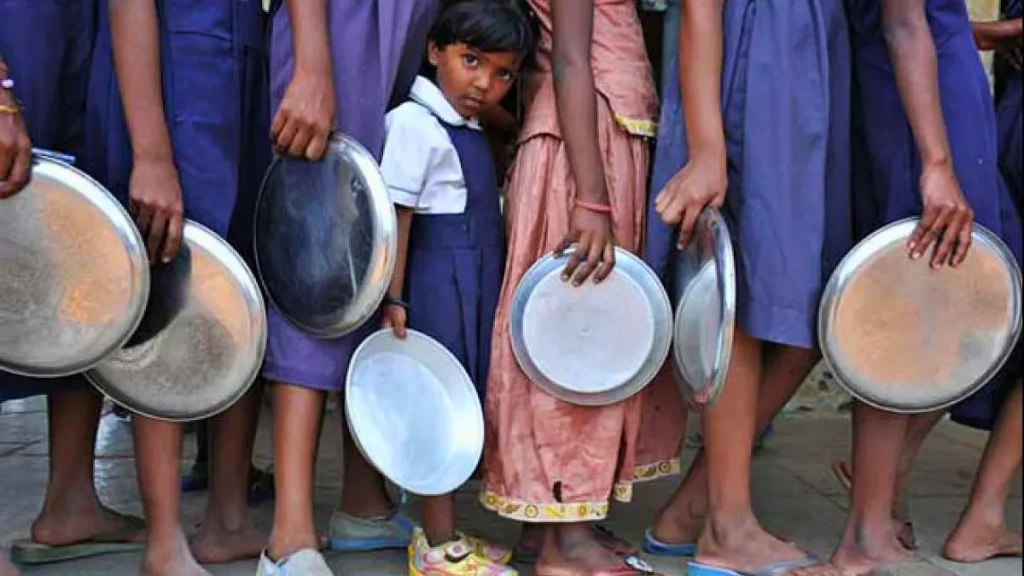
The death of a two-year-old child in Alappuzha has led the Keralam government to plan a statewide exercise to identify children who may be exposed to risks involving health, nutrition, education or personal safety.
Thiruvananthapuram: The Keralam government is preparing to undertake a state-level child vulnerability assessment to identify children who may require additional care, protection or rehabilitation. The initiative is intended to help authorities detect warning signs early, improve coordination between departments and ensure that children in difficult circumstances receive appropriate assistance.
The decision was taken during a meeting chaired by Women and Child Development Minister Bindhu Krishna on October 23, 2026, following the death of a two-year-old boy in Alappuzha district. The incident has drawn attention to the need for stronger systems to identify children at risk and ensure that their needs are addressed in time.
What Does Child Vulnerability Mapping Involve?
Child vulnerability mapping is designed to identify children whose living conditions or personal circumstances may put their well-being and development at risk. Through the proposed exercise, authorities aim to recognise potential problems early and connect affected children with suitable welfare services.
The assessment is expected to consider several aspects of a child’s life, including physical health, nutrition, access to education, safety and caregiving arrangements. Identifying a child as vulnerable would help initiate further assessment, rather than automatically establish that neglect or abuse has occurred.
District-Level Officials to Coordinate Protection Measures
District Women and Child Development Officers are expected to play a central role in overseeing the protection and rehabilitation of children identified through the exercise. Their responsibilities will involve coordination with local self-government institutions, health authorities and the police.
The proposed framework also stresses the importance of holding regular meetings of child protection and welfare committees at district and village levels. Such meetings can help officials review individual cases, coordinate responses and resolve difficulties that may delay protective action.
District Child Protection Officers are expected to approach senior authorities if administrative hurdles or a lack of cooperation obstruct efforts to safeguard a child. The framework underlines that a child’s safety must remain a priority when protective intervention is necessary.
Faster Social Investigations and Individual Care Plans
The initiative includes provisions for social investigation reports to be submitted to Child Welfare Committees within prescribed time limits. These reports help establish a clearer understanding of a child’s family situation, living conditions and protection requirements.
Another important element is the preparation of an individual care plan for every child residing in a care institution. Such a plan can help determine the specific services, assistance and rehabilitation measures required, based on the child’s circumstances.
Rehabilitation decisions will also require careful assessment. Returning a child to their family should not be treated as an automatic outcome; authorities must consider whether the arrangement is appropriate and safe for the child.
Monitoring Through Anganwadi and Welfare Networks
The proposed system envisages continued monitoring even after rehabilitation. Anganwadi workers, Integrated Child Development Services (ICDS) supervisors and psychosocial counsellors are expected to help track children’s growth, nutritional condition and other signs that may indicate a need for intervention.
Where concerns such as malnutrition or suspected neglect are identified, authorities are expected to respond promptly. Regular follow-up can help identify whether a child’s condition is improving and whether additional assistance is required.
Anganwadi centres already contribute to child nutrition, growth monitoring and early identification of developmental concerns. Better coordination between these frontline services and child protection authorities could help ensure that warning signs are referred to the appropriate officials.
Also Read :- Om Prakash Mathur Sworn In as 29th Governor of Keralam; Vegetarian Food Directive Sparks Debate
How the Juvenile Justice Act Fits Into the Plan
The Juvenile Justice (Care and Protection of Children) Act, 2015, lays down the legal provisions for safeguarding children who need care, support and protection. Section 27 of the Act provides for the establishment of Child Welfare Committees at the district level.
These committees consider cases involving children who need care and protection and help determine suitable measures under the law. Social investigation reports can provide relevant information for assessing a child’s circumstances and deciding on appropriate support.
For the mapping exercise to achieve its intended purpose, the departments involved will need to coordinate effectively, respond to identified concerns without unnecessary delays and ensure that recommended services reach the children who need them.
Effective Implementation Will Determine the Outcome
Although the government has announced the proposed statewide exercise, the reports available so far do not establish that the mapping has been completed or provide a definitive schedule for its implementation across all districts.
The initiative’s effectiveness will depend on the reliability of assessments, the speed of referrals, cooperation between departments and consistent follow-up. Identifying children who may be at risk is only the first step; ensuring access to nutrition, healthcare, education and protection services will be equally important.
The Alappuzha child’s death and the wider policy response are separate matters, and the circumstances of the individual case remain under investigation.
The next stage will be to translate the announced measures into a functioning system that can identify vulnerable children and provide them with timely, appropriate support.