
Sabarimala Pilgrimage 2026: KSRTC to Deploy Over 1,000 Buses Across Mandala and Makaravilakku Seasons
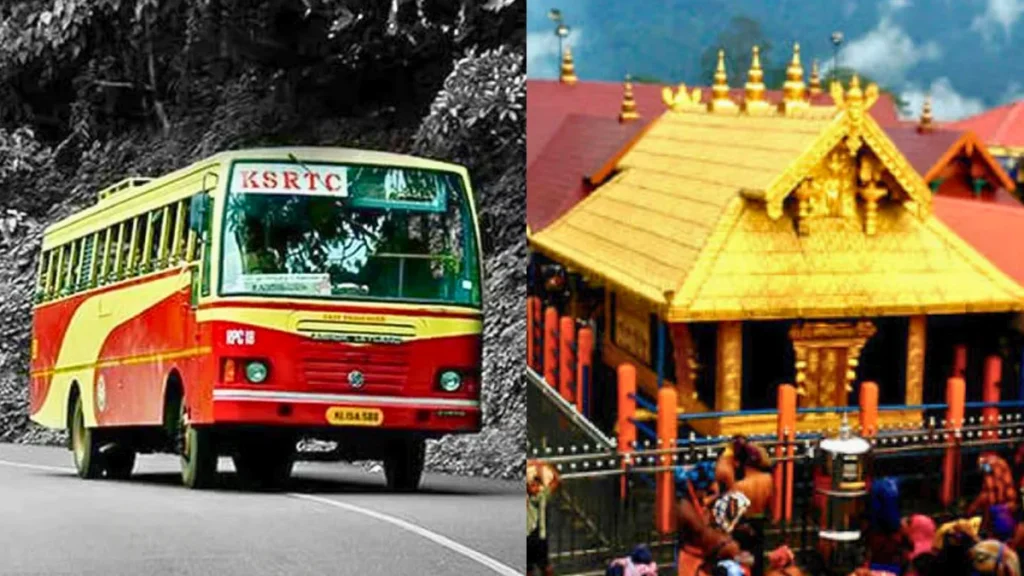
The 41-day Mandala Pooja season at Sabarimala is scheduled to begin on November 17, 2026. KSRTC plans to operate 461 buses during this phase, connecting major transport hubs and pilgrimage centres to help devotees reach the Lord Ayyappa Temple.
Thiruvananthapuram: The Kerala State Road Transport Corporation (KSRTC) has announced extensive transport arrangements for the 2026-27 Sabarimala pilgrimage season, planning to deploy more than 1,000 buses across the Mandala Pooja and Makaravilakku phases.
The measures aim to ensure smoother travel for devotees visiting the Lord Ayyappa Temple, particularly during periods of heavy pilgrim traffic.
According to reports published on October 16 and October 21, KSRTC will initially operate 461 buses during the Mandala season and 561 buses during the Makaravilakku festival.
The arrangements include special services from major transport hubs, continuous shuttle operations between Nilakkal and Pampa, improved passenger facilities and additional staff to manage the seasonal rush.
When Does the Sabarimala Pilgrimage Season Begin?
The 41-day annual Mandala Pooja season at the Sabarimala temple is scheduled to begin on November 17, 2026. The Makaravilakku festival will take place on January 14, 2027.
The annual pilgrimage attracts devotees from Kerala and other parts of India. The increased movement of pilgrims during these religious observances creates substantial demand for transport, especially on routes connecting railway stations, bus terminals and the base camps leading to the hill shrine.
KSRTC is preparing its services in phases to respond to changing passenger numbers throughout the season.
Special Bus Services From Major Centres
Along with services connecting Nilakkal and Pampa, KSRTC plans to link several depots and pilgrimage centres through special bus operations. KSRTC will operate services from several key locations across Kerala, including Chengannur, Kottayam, Pathanamthitta, Erumeli, Thiruvananthapuram Central, Ernakulam, Kumily, Kottarakkara, Punalur, Adoor, Thrissur, Guruvayur and Kayamkulam.
These connections are intended to make it easier for devotees arriving from different parts of the state to reach the pilgrimage base camps.
The corporation has also planned separate bus allocations at important transit points. Nilakkal will be allocated 180 buses during the Mandala season, with the fleet strength rising to 220 for the Makaravilakku period. At Chengannur, 60 buses will operate in the first phase, followed by 80 in the second. Kottayam will have 50 and 60 buses, respectively.
The Nilakkal-Pampa chain service remains a crucial part of the arrangements because it connects pilgrims to the main access point for the hill shrine. The corporation intends to adjust bus deployment according to passenger movement and demand.
More Staff and Safety Training
KSRTC will deploy additional personnel at Pampa and Nilakkal to support the expanded operations. The staffing plan 678 personnel for the Mandala season, with the number rising to 778 during the Makaravilakku phase.
The corporation has planned to deploy 325 drivers and 225 conductors in the first phase. During the second phase, the numbers will rise to 375 drivers and 275 conductors.
Employees have also received fire and rescue and medical training to help them respond to emergencies during the pilgrimage. Mechanical staff have undergone specialised training, including instruction from vehicle manufacturers, to support safe and reliable bus operations.
Also Read :- Kerala High Court Calls for Release of ₹9.73 Crore in Pending Victim Compensation Claims Within Five Weeks
Chartered Trips and Online Booking
KSRTC’s Budget Tourism Cell will facilitate chartered trips for Sabarimala pilgrims. The corporation is also making arrangements for online reservations for these services.
Special trips may be organised from depots and designated service centres based on passenger demand. The plan also includes identifying temples near participating depots and service centres to help pilgrims organise visits to multiple shrines.
Information on more than 70 temples offering facilities for pilgrims, including places to rest and stay overnight, is expected to be published, according to the reported arrangements.
Additional Buses Depending on Demand
KSRTC has indicated that the initial deployment is not a fixed limit. More buses may be introduced if the number of pilgrims rises, and leased vehicles may be used to supplement the existing fleet.
The success of the arrangements will depend on coordination among transport officials, local authorities and other departments responsible for crowd and traffic management.
With the Mandala season beginning in November and the Makaravilakku festival scheduled for January, KSRTC’s phased bus deployment is intended to provide connectivity throughout the pilgrimage period. The corporation is focusing on additional services, trained personnel and improved facilities to make the journey safer and more convenient for devotees travelling to Sabarimala.