
Sarpakavu: When Faith Becomes a Shield for Nature, Not Superstition…
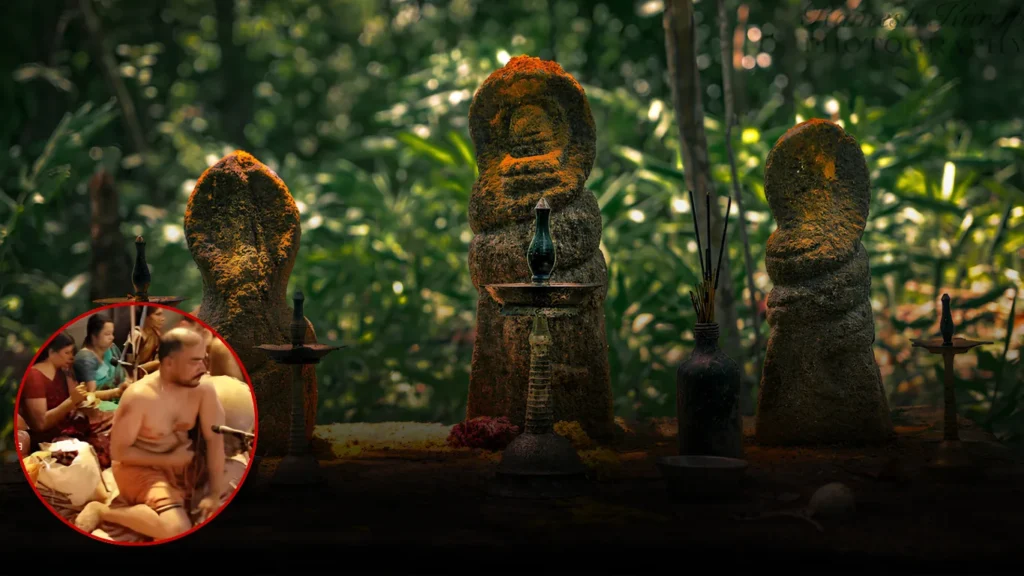
Keralam: Can religious faith help protect forests and water for centuries? Kerala’s traditional “Sarpakavu”, or sacred groves, offer an interesting example of how cultural beliefs can contribute to nature conservation.
Sarpakavu are small patches of natural vegetation traditionally found near homes and settlements across Kerala. These groves are believed to be the dwelling places of serpent deities. As a result, cutting trees, disturbing the land or harming nature within these spaces has traditionally been considered forbidden.
The tradition is also linked to Kerala’s mythology. According to the Keralolpathi tradition, Parashurama reclaimed Kerala from the sea. It is believed that certain areas were later set aside for serpents in association with the serpent king Vasuki. Over time, these sacred spaces came to be known as Sarpakavu.
The groves are associated with serpent deities such as Nagaraja and Nagayakshi, with rituals and offerings performed on special occasions.
Where Faith Meets Conservation
The significance of Sarpakavu, however, extends beyond their religious importance.
Because these groves are traditionally left undisturbed, they can preserve old trees, native plants, insects, birds and other species. This makes them important refuges for local biodiversity.
Many Sarpakavu are also associated with ponds and water sources. Their vegetation and undisturbed soil can help retain water and reduce soil erosion.
In this way, a tradition rooted in religious faith has also served as a form of community-based conservation, allowing small pockets of natural habitat to survive across generations.
Can Tradition Become a Tool for Conservation?
The story of Sarpakavu raises an important question: Can cultural and religious traditions become effective tools for protecting nature?
In Kerala, these sacred groves suggest that the answer may be yes. What communities protected for generations out of faith has, in many cases, also helped preserve biodiversity, vegetation and local water systems.