
Why Are People in Keralam Considered Healthier? 6 Everyday Habits Behind the Lifestyle
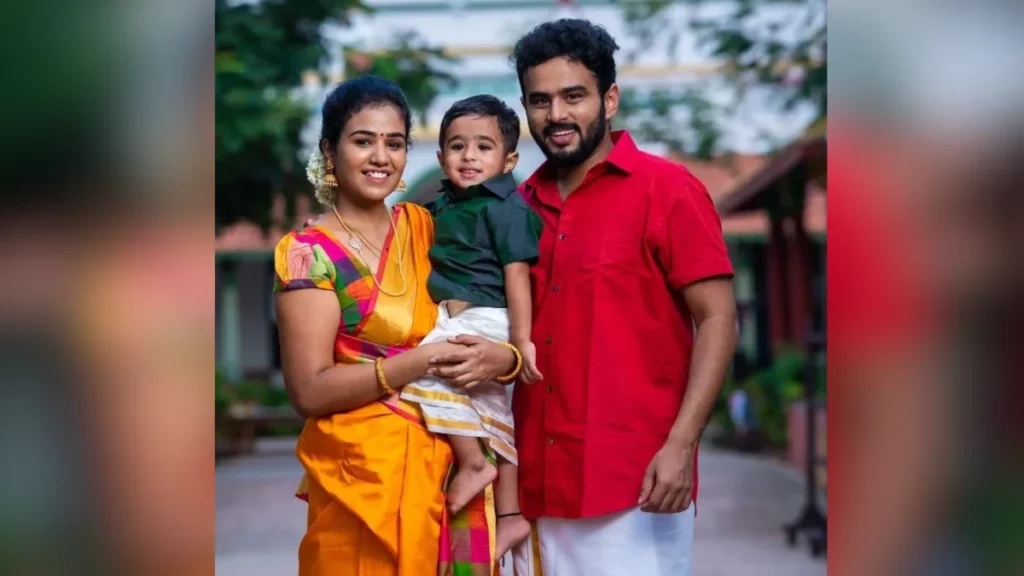
Thiruvananthapuram: Every Indian state has its own lifestyle shaped by food, climate, culture and local traditions. In Keralam, traditional food, fish and vegetables, home-cooked meals, physical activity, social connections and health awareness have long been an important part of everyday life.
The state has also been recognised for several strong public health indicators. But what is it about the traditional lifestyle of Keralam that may support better health?
There is no single food or secret formula behind a healthy lifestyle. Instead, several everyday habits can collectively influence long-term health. From eating a varied diet to staying physically active and getting regular health screenings, these six habits offer some useful lessons.
1. A Traditional Meal Is More Than Just Rice
Keralam’s food is often associated with rice and coconut, but its traditional diet is much more diverse. Rice is commonly accompanied by lentils, vegetables, fruits, fish, tubers and a variety of locally available foods.
The World Health Organization (WHO) recommends eating a diverse and balanced diet. This includes cereals or other starchy foods along with pulses, vegetables and fruits, as well as suitable sources of protein such as fish, eggs, milk and other animal-based foods.
The traditional Keralam plate reflects this diversity by combining locally available and seasonal ingredients.
However, this does not mean that every traditional dish is automatically healthy. The quantity of food, as well as the amount of salt, sugar and oil used in preparation, also matters.
Like other parts of India, Keralam’s food habits are changing with urbanisation and modern lifestyles. Packaged and processed foods are becoming more common, making it important to retain the healthier elements of traditional eating while adapting them to modern nutritional needs.
2. Fish Has Long Been Part of the Diet
Fish has traditionally been an important part of the diet, particularly in the coastal areas of Keralam.
Research associated with the ICAR-Central Institute of Fisheries Technology has examined fish consumption patterns across coastal and inland areas of the state. Such studies have found relatively higher fish consumption in coastal regions.
Fish is a good source of protein, while several varieties also contain omega-3 fatty acids.
The significance of fish in Keralam’s food culture also reflects a broader habit of using locally available foods as part of everyday meals. Another ICAR study has documented the traditional food knowledge of fishing communities in Keralam, including their nutritional use of different varieties of fish.
The health lesson here is not that everyone needs to eat fish every day. Rather, it highlights the value of including varied, locally available protein sources in the diet according to individual nutritional needs.
3. Choosing Local and Seasonal Foods
Keralam’s traditional food culture has long relied on ingredients available locally and seasonally. Rice, bananas, jackfruit, tubers, vegetables, coconut and seafood have all been part of the state’s culinary traditions.
One advantage of using a variety of such foods is that it can increase dietary diversity. WHO also recommends consuming different food groups as part of a healthy diet.
Keralam’s food traditions also include dishes prepared through fermentation. Modern research into fermented foods suggests that fermentation can influence the nutritional characteristics and digestibility of certain foods.
This does not mean that every fermented food automatically provides a health benefit. But the broader lesson from the traditional diet is useful: instead of depending heavily on one type of processed food, meals can include a wider variety of locally available ingredients.
Seasonal eating can also help introduce different fruits, vegetables and other foods into the diet throughout the year.
4. Everyday Movement Matters
Staying healthy does not always require spending hours at a gym.
Walking, cycling, climbing stairs, playing sports, doing household chores and other forms of everyday movement can all contribute to physical activity.
According to WHO, physical activity is not limited to structured exercise. Walking, cycling, sports, recreational activities and movement associated with everyday life are also forms of physical activity.
Regular physical activity can help reduce the risk of several non-communicable diseases, including cardiovascular disease, stroke, diabetes and some types of cancer.
Traditional lifestyles in Keralam have also included considerable physical movement as part of daily routines. In rural and semi-urban areas, walking, household work and outdoor activities have historically been part of everyday life.
However, changing lifestyles, increased screen time, motorised transport and sedentary work are reducing such natural movement for many people.
That makes it increasingly important to deliberately include physical activity in daily routines, even when there is no time for formal exercise.
5. Do Not Ignore Regular Health Screening
Another important feature of Keralam’s public health approach is its focus on preventive healthcare.
The Keralam Health Department runs a population-based annual health screening programme for people above the age of 30. The programme aims to identify and manage non-communicable diseases at an early stage while also increasing awareness about health and disease prevention.
Regular screening can be particularly important because conditions such as high blood pressure and diabetes may not always produce noticeable symptoms during their early stages.
Early detection can allow people to seek medical advice and begin appropriate management before complications develop.
For individuals, the broader lesson is simple: healthcare should not begin only when a person becomes seriously ill. Regular check-ups, awareness of risk factors and timely medical consultation can all form part of a preventive approach.
6. Health Is More Than the Absence of Disease
A healthy lifestyle is not limited to avoiding illness. Physical health, mental well-being, adequate rest, social connections and healthy daily habits all contribute to overall well-being.
Keralam’s health system has long placed emphasis on preventive and promotive healthcare. The state’s health initiatives have also focused on areas such as nutritious food, physical activity, mental health and staying away from substance abuse.
Mental health is particularly important in modern life. Managing stress, spending time with family and friends, getting adequate rest and maintaining social connections can all contribute to overall well-being.
The changing lifestyle of young people has also become an area of concern. Increased digital activity, sedentary behaviour and changing dietary and social habits can influence both physical and mental health.
A 2026 study by the Keralam State Youth Commission included 1,969 young people aged 18 to 25. It examined changing lifestyles, dietary habits, digital interactions and sedentary lifestyles, including their possible impact on mental health.
The findings highlight an important point: maintaining good health in a modern environment requires attention not only to food and exercise but also to sleep, screen use, stress and social relationships.
What Can We Learn From Keralam’s Lifestyle?
The biggest lesson from Keralam’s lifestyle does not lie in a single “superfood” or a particular home remedy. It lies in the combination of several small and consistent habits.
Eating a varied diet, including vegetables and other nutritious foods, choosing suitable sources of protein, staying physically active, getting timely health screenings, getting adequate sleep, taking care of mental health and staying away from harmful substances are habits that can benefit people anywhere.
Health is shaped by several factors working together. Family habits, food choices, community support, access to healthcare and an individual’s daily routine can all influence long-term well-being.
At the same time, Keralam also faces a new challenge: how to preserve the healthier aspects of traditional lifestyles while adapting to modern conveniences and changing social patterns.
The real lesson, therefore, is not to copy another state’s lifestyle completely. It is to identify practical habits that support good health and make them part of everyday life.
A healthy lifestyle is ultimately built through small decisions repeated over time — what we eat, how much we move, how well we sleep, whether we get preventive health checks and how we maintain our mental and social well-being.